
Stepping out from the tranquil, sun-drenched shores of the Solomon Islands to explore the historic, cross-continental marvel of Turkey is the adventure of a lifetime. Turkey offers an incredible juxtaposition to the Pacific—exchanging pristine coral reefs for ancient Roman ruins, grand Ottoman palaces, and bustling spice bazaars. Whether you dream of watching hot air balloons float over the volcanic peaks of Cappadocia or sailing along the glittering Aegean coast, the journey promises to be unforgettable.
However, moving between two entirely different corners of the globe requires meticulous administrative and logistical preparation. From understanding the digital entry requirements to navigating long-haul flights, getting your paperwork right is the foundation of a stress-free vacation. This deep guide provides everything you need to know to transition seamlessly from Honiara to the streets of Istanbul.
Navigating the Entry Requirements for Solomon Islands Passports
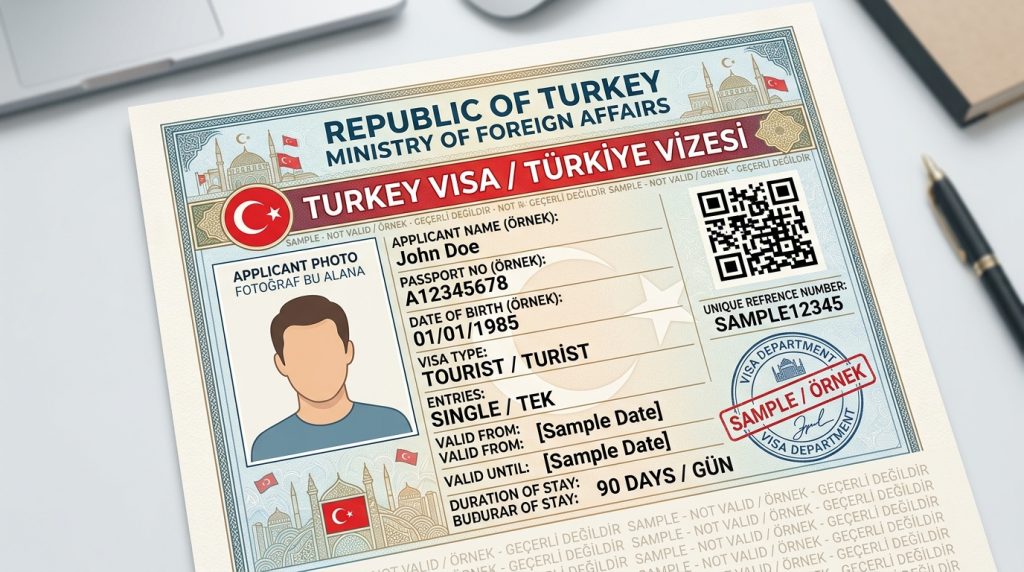
Before you can pack your bags and book your flights, your absolute first priority must be securing legal permission to enter Turkey. Fortunately, the Turkish government has modernized its border control by replacing time-consuming embassy visits with an efficient electronic visa system.
Passport holders from the Solomon Islands are eligible to utilize this online portal, which allows you to secure travel authorization from the comfort of your home. It is essential to apply well ahead of your departure date to avoid last-minute travel disruptions. For a complete breakdown of the specific entry rules, required documentation, and processing timelines tailored for your passport, you can review the step-by-step application protocol by visiting the guide on the TURKEY VISA FOR SOLOMON ISLAND CITIZENS portal.
When filling out the digital application, absolute precision is required. The system is entirely automated, meaning the data on your approved electronic document must match your physical passport flawlessly. A single typo—such as mistyping a digit in your passport number or omitting a middle name—can lead to boarding denials at the airport or immediate rejection at Turkish customs.
Global Context: Understanding Turkey’s Digital Border Policy
The electronic travel system is part of a broader initiative by Turkey to boost international tourism while maintaining robust border security. Depending on international relations, diplomatic agreements, and passport strength, different nations face varying levels of access.
While some nationalities can enter completely visa-free, a vast majority must use the online system or apply for a traditional sticker visa at a physical consulate. Because immigration frameworks shift periodically due to geopolitical changes, it is always a smart practice to cross-reference global travel requirements before planning multi-destination itineraries. Reviewing the comprehensive TURKEY VISA ELIGIBLE COUNTRIES index will help you understand where your passport stands globally and how Turkey categorizes different regions for online entry.
To ensure your application passes the automated screening system smoothly, keep these foundational rules in mind:
- Passport Validity: Your passport must be valid for at least 60 days beyond the duration of stay permitted by your visa. As a general rule of thumb, ensure your travel document has at least six months of validity remaining from your day of arrival.
- Independent Documentation: Every single traveler, including infants and young children, must possess their own individual passport and separate visa approval. Family packages do not cover multiple people under one application.
- Supporting Proof: Depending on your nationality tier, you may need to show proof of a return ticket, a hotel reservation, and sufficient financial funds (typically $50 USD per day) upon arriving at airport customs.
Designing the Perfect Long-Haul Itinerary
Once your travel documents are completely sorted, you can focus on the rewarding part of travel: building your route. Because traveling from the Pacific to Turkey involves significant flight times and multiple time zones, avoiding itinerary burnout is crucial. Do not attempt to pack too many distant cities into a short timeframe.
A well-rounded Turkish vacation typically begins in Istanbul. As the former capital of the Byzantine and Ottoman Empires, this sprawling metropolis is a sensory explosion. Dedicate at least three to four days to exploring iconic landmarks like the Hagia Sophia, the Blue Mosque, and the Topkapi Palace. Taking a scenic sunset cruise along the Bosphorus Strait offers a relaxing way to adjust to the local time zone while watching the city light up across both the European and Asian shorelines.
From Istanbul, a short domestic flight takes you to the surreal landscapes of Cappadocia. The volcanic valleys, ancient cave churches, and world-famous sunrise hot air balloon rides offer a visual contrast that feels entirely otherworldly compared to the tropical landscapes of home.
Practical Travel Tips for the Journey
To guarantee complete comfort during your stay, keep a few practical realities in mind. Turkey experiences four distinct seasons, which is a major shift from the year-round tropical climate of the Solomon Islands. If you plan to visit between June and August, prepare for intense Mediterranean summer heat. If you visit between December and February, you will encounter freezing temperatures and beautiful snowfall, particularly in central Anatolia.
Additionally, always acquire a small amount of local currency (Turkish Lira) upon arrival. While credit cards are universally accepted in major hotels, restaurants, and retail stores, you will need physical cash for public transit cards, street food vendors, and small souvenirs at traditional markets. By handling your visa requirements early and respecting the physical demands of long-haul travel, your journey to Turkey will be nothing short of magical.
