
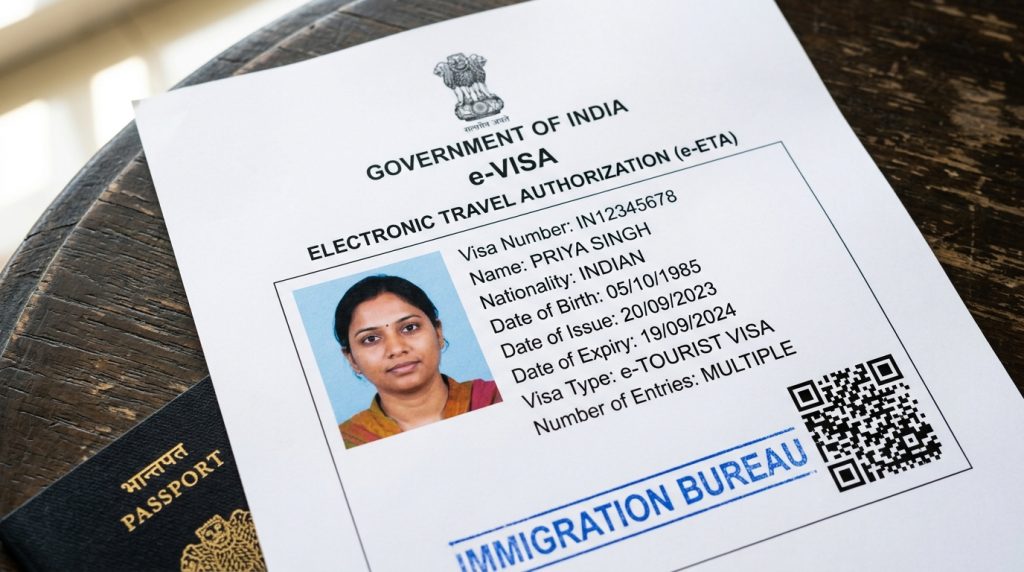
Traveling to India offers an extraordinary journey into a country known for its rich heritage, vibrant traditions, and rapidly expanding economic hubs. Whether you are planning a holiday, attending corporate trade shows, or seeking specialized medical treatment, organizing your travel authorization in advance is the foundation of a successful trip.
Thanks to the Government of India’s electronic visa (e-Visa) program, international visitors can complete their entire visa application online. This digital framework eliminates the need to visit consulate offices or mail physical passports, allowing travelers to secure entry permission completely from home.
Core Categories of the Indian e-Visa
Before launching an online application, selecting the specific e-Visa category that corresponds to your travel purpose is essential:
- e-Tourist Visa: Designed for leisure trips, cultural sightseeing, visiting family or friends, and participating in short-term yoga programs. Options include 30-day double-entry permits as well as long-term 1-year and 5-year multiple-entry terms.
- e-Business Visa: Structured for international corporate professionals attending trade exhibitions, technical consultations, recruitment drives, or business meetings.
- e-Medical Visa: Intended specifically for individuals traveling to undergo medical treatments in accredited Indian healthcare centers, along with accompanying family members holding an attendant permit.
Key Entry Rules and Travel Guidelines
While the submission framework is standardized across the digital portal, reviewing specific nationality guidelines and designated entry points ensures a seamless travel experience.
For example, British travelers frequently visit India for business, tourism, or family reunions. Reviewing the entry requirements for an INDIAN VISA FOR UK CITIZENS helps travelers holding British passports select the appropriate visa validity and ensure all supporting document scans meet official portal standards.
Additionally, e-Visa holders must enter India through specific, officially designated ports of entry. Checking the full list of Indian Visa Airports and Seaports allowed ensures that your flight or cruise itinerary aligns with designated border control checkpoints equipped to process electronic entry permits.
Standard Requirements for Applicants
Gathering the required documents before starting your online application session helps ensure a smooth filing process:
- Valid Passport: Must be a standard passport valid for at least six months from your scheduled arrival date, containing at least two blank pages for entry stamps.
- Digital Passport Photo: A recent photograph taken against a plain, white background adhering to official size and clarity guidelines.
- Bio-Page Copy: A clear, legible digital image or PDF scan of your passport’s information page displaying your photo, signature, and personal details.
- Payment Method: A valid credit card, debit card, or supported digital payment method to cover the online processing fee.
Essential Best Practices for International Travelers
- Apply Well Ahead: Submit your electronic application at least 4 to 7 days before departure to account for routine background checks or peak processing volumes.
- Verify Information Accuracy: Ensure every detail entered on the portal—such as full middle names and passport numbers—matches your physical document character for character.
- Maintain Printed Copies: Once your Electronic Travel Authorization (ETA) arrives via email, print a clear physical copy to present during airline check-in and at border control upon arrival.
By handling your administrative preparation systematically in advance, you can step onto your flight with total peace of mind and look forward to an incredible journey across India.
