
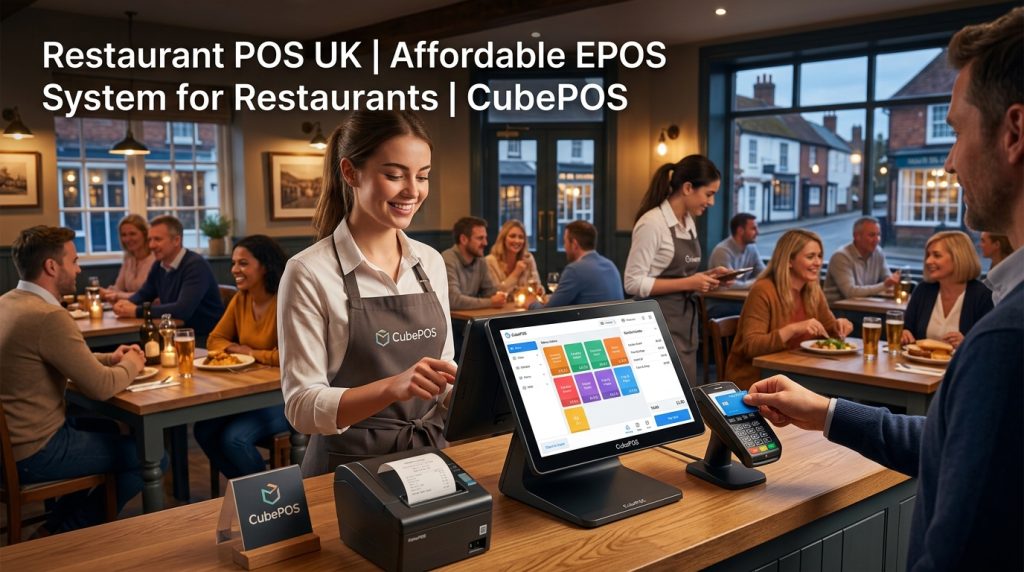
The UK hospitality landscape is currently defined by its resilience and rapid adaptation. From the iconic streets of the capital to the industrial heart of the Midlands, restaurant owners are facing a common challenge: balancing rising overheads with a growing demand for faster, more personalized service. As we move through 2026, the traditional cash register has become a relic of the past, replaced by sophisticated digital ecosystems that act as the central nervous system of a successful business.
Precision Service in the Capital
London remains the global benchmark for culinary innovation, but it is also one of the most demanding markets for operational efficiency. With high footfall and even higher expectations, there is no room for error in order processing or inventory management. Many establishments have found that implementing a high-performance Restaurant EPOS London allows them to bridge the gap between front-of-house hospitality and back-of-house logistics.
Modern systems in the city do more than just process transactions. They provide real-time synchronization with the kitchen, reducing wait times and virtually eliminating order mistakes. Furthermore, integrated inventory tools allow London managers to track stock levels with surgical precision, ensuring that expensive ingredients are utilized efficiently and waste is kept to an absolute minimum. In a city where profit margins can be thin, this level of granular control is the key to long-term sustainability.
Streamlining Operations in the Midlands
The dining scene in the Midlands is equally vibrant, characterized by a mix of historic eateries and modern fusion concepts. For businesses in this region, the priority is often creating a frictionless journey for the guest. Adopting a versatile restaurant POS Birmingham allows local owners to manage their floor space more effectively while offering the diverse payment options that modern diners expect.
From contactless mobile payments to integrated digital loyalty schemes, the right technology ensures that the final touchpoint of the meal is as pleasant as the first. Beyond the customer-facing benefits, these systems empower staff with intuitive interfaces, significantly reducing the time required for training. This is particularly valuable in the current labor market, where efficiency and staff retention are paramount for maintaining consistent service standards.
The Benefits of a Unified Data Strategy
The true power of modern hospitality technology lies in the data it generates. Business owners no longer have to rely on guesswork to understand their busiest periods or most popular dishes. Detailed analytics provide insights into:
- Menu Engineering: Identifying high-margin items to optimize profitability.
- Labor Management: Aligning staff rotas with peak sales data to reduce unnecessary labor costs.
- Customer Retention: Using purchase history to create personalized marketing campaigns and rewards.
Preparing for the Future
As the hospitality industry continues to evolve, the businesses that thrive will be those that view technology as an investment in their future rather than a simple expense. By automating administrative tasks and streamlining communication, restaurant owners can refocus their energy on the human element of hospitality—the quality of the food and the satisfaction of the guest. Embracing these digital tools today ensures that your establishment remains competitive and resilient in an ever-changing marketplace.
