
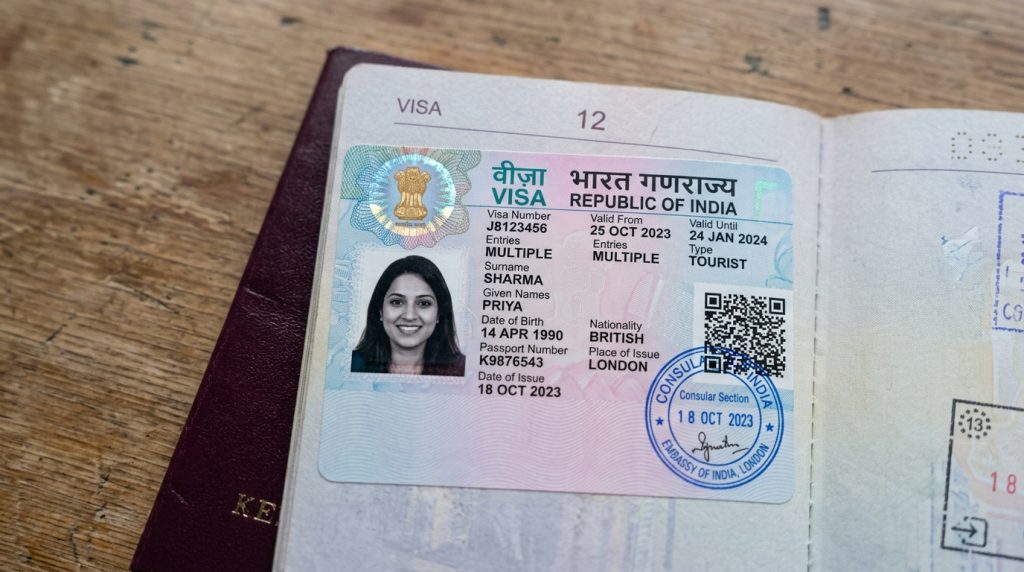
India is a destination that captures the imagination like no other. From the architectural grandeur of the Taj Mahal to the tech-driven corridors of Bengaluru, the subcontinent offers a unique blend of ancient heritage and rapid modernization. To support its growing status as a global hub for tourism and commerce, the Indian government has streamlined its entry processes, replacing traditional paperwork with an efficient electronic visa (e-Visa) system. This digital transformation has made the country more accessible than ever, but success still depends on careful planning and staying informed about the logistics of your journey.
A New Era of Global Connectivity
The introduction of the e-Visa has been a cornerstone of India’s modern tourism strategy. By allowing travelers from over 160 countries to apply online, the government has significantly reduced the administrative burden on both consulates and visitors. Whether you are traveling for a spiritual retreat in Rishikesh, a high-stakes business meeting, or medical treatment, the digital portal provides a specialized category to meet your specific needs.
The relationship between North America and India remains particularly strong, fueled by deep cultural ties and a vibrant exchange of professional talent. For those departing from Toronto, Vancouver, or Ottawa, the application process is now remarkably efficient. Obtaining an INDIAN VISA FOR CANADIAN CITIZENS is a straightforward online task, allowing visitors to secure their travel authorization from the comfort of their homes. This ease of access has sparked a resurgence in heritage tourism and family reunions, as travelers can often receive their approval within just a few business days.
Strategic Planning for Arrival and Departure
While the e-Visa provides a convenient digital gateway, travelers must be aware of the specific logistical requirements for entering and leaving the country. The electronic authorization is not valid for entry at every single border crossing; instead, it is restricted to a selection of modernized international hubs equipped with biometric technology.
To ensure a smooth transition from your flight or cruise ship to the vibrant streets of India, it is vital to consult the list of authorized Indian Visa Airport and Seaports before finalizing your itinerary. Currently, the system supports entry at nearly 30 major international airports—including Delhi, Mumbai, and Chennai—as well as several designated seaports for those arriving via luxury cruises. Understanding these designated entry and exit points is a crucial step in travel planning, ensuring that your arrival is as seamless as your digital application.
Professional Tips for Your Indian Adventure
To make the most of your journey through the vibrant landscapes of the subcontinent, keep these logistical strategies in mind:
- Document Readiness: Always carry a printed copy of your Electronic Travel Authorization (ETA) alongside your physical passport, which must have at least six months of validity.
- Cultural Respect: India is a diverse nation with deep-rooted traditions. Dressing modestly, especially when visiting religious sites, is a sign of respect that is warmly appreciated.
- Digital Connectivity: Purchase a local eSIM upon arrival to easily use navigation and ride-sharing apps, which are indispensable in bustling metros.
- Optimal Timing: The ideal time to visit most of India is during the cooler months from October to March, providing perfect weather for outdoor exploration.
By leveraging the efficiency of the modern e-Visa system and choosing the correct entry point, you can focus on immersing yourself in the legendary hospitality and breathtaking diversity of the Indian subcontinent.
