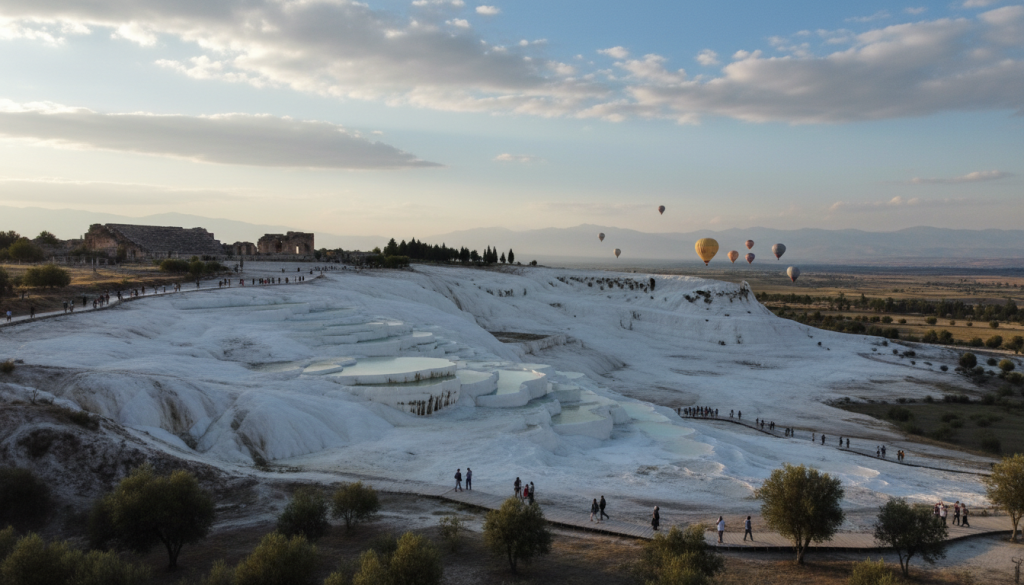
Turkey, a land where the vibrant streets of Istanbul meet the fairy chimneys of Cappadocia, remains a top-tier destination for international travelers. As the country continues to modernize its entry protocols, the transition to digital authorization has made visiting more accessible than ever. However, ensuring a successful journey requires more than just a plane ticket; it demands a clear understanding of the latest ENTERING TURKEY BY LAND protocols and a strategic approach to ensure your documentation is in order before you arrive.
For many travelers, the excitement of planning a trip can be overshadowed by administrative hurdles. By following a few professional guidelines, you can learn how to efficiently CHECK STATUS OF VISA and step into your adventure with total confidence.
Understanding Entry Protocols: Entering Turkey by Land
While many tourists arrive via major international airports, ENTERING TURKEY BY LAND is a popular choice for those exploring the Balkan peninsula or arriving from neighboring Georgia. Crossing the border via road or rail requires the same meticulous attention to documentation as air travel.
When you are at land border crossings such as Kapikule (from Bulgaria) or Sarp (from Georgia), you must present a valid passport and your printed e-Visa. It is a “human touch” best practice to ensure your vehicle documentation, including international insurance (Green Card), is valid if you are driving. Border officials at land crossings will verify your digital authorization against your passport, so having a physical copy is essential for those remote areas where digital connectivity might be intermittent.
How to Check Status of Visa and Avoid Rejection
Once you have submitted your application, the waiting period is the best time to ensure everything is on track. Knowing how to CHECK STATUS OF VISA is vital to verify that your application hasn’t been flagged for additional information. You can typically do this by visiting the official portal and entering your reference number along with your passport details.
If you find that your application is “Pending,” don’t panic. However, if you are wondering how to avoid rejection, pay close attention to these critical areas:
1. Accuracy of Personal Data
The most common cause of rejection is a discrepancy between the information on the e-Visa and the passport. Ensure that your name is spelled exactly as it appears in the machine-readable zone. Even a minor typo in your passport number or date of birth can lead to an immediate rejection or, worse, being denied entry when ENTERING TURKEY BY LAND.
2. Passport Validity and Type
Your passport must be valid for at least six months beyond the date you intend to enter Turkey. Additionally, the Turkish e-Visa system is designed for ordinary passport holders. If you are traveling on a diplomatic or service passport, the rules may differ, and applying through the wrong portal is a frequent cause of denial.
The Importance of Professional Preparation
A successful trip to Turkey starts with a meticulous application. By regularly using the portal to CHECK STATUS OF VISA, you stay ahead of any potential administrative delays. Simultaneously, knowing the specific nuances of land border crossings protects your travel investment and ensures a warm welcome at the frontier.
Once your e-Visa is approved, always carry a physical printout. While the system is digital, border officers at land checkpoints appreciate having a hard copy to stamp, ensuring that your transition into the country is as swift as the breeze off the Bosphorus.
Conclusion: Your Turkish Adventure Awaits
Turkey offers a unique blend of historical depth and modern hospitality. By respecting the administrative process and staying diligent with your documentation, you remove the final barriers to your journey. Whether you are arriving by flight to witness the Hagia Sophia or ENTERING TURKEY BY LAND to explore the rural countryside, the key is preparation. Verify your application details, keep a close eye on your status, and prepare to be captivated by the timeless beauty of Turkey.